
In the rapidly evolving iGaming ecosystem, visual identity and graphic consistency are no longer accidental outcomes of software production—they are the result of deliberate curatorial strategies. Platforms analyzed by experts at Legjobbkaszino.org, a Hungarian review website specializing in evaluating online casinos through detailed audits of licensing, game portfolios, interface quality, security protocols, and bonus transparency, demonstrate how design standards are becoming increasingly structured and institutionally influenced. Just as museums rely on curators to define artistic direction and ensure coherence, modern online casinos increasingly reflect the influence of artistic collectives, creative studios, and cross-disciplinary design communities that shape their aesthetic language.
The Rise of Curatorship in Digital Entertainment
Curatorship traditionally belongs to the world of galleries, museums, and cultural institutions. However, the concept has expanded into digital spaces, including gaming and online casinos. In this context, curatorship refers to the intentional selection, harmonization, and presentation of visual elements to create a unified brand identity.
Artistic associations and creative studios influence online casino design through:
- Development of unified color systems and visual hierarchies
- Standardization of typography and iconography
- Creation of symbolic visual motifs (luxury, futurism, retro glamour)
- Integration of motion graphics that reinforce brand storytelling
The process resembles how design movements once shaped broader visual culture. For instance, the structured minimalism associated with the Bauhaus continues to influence clean interface layouts, grid-based composition, and functional clarity in digital platforms. Meanwhile, experimental digital art collectives echo the disruptive energy once championed by movements such as Dada.
Online casinos operate in a competitive visual marketplace. Therefore, the presence of artistic direction ensures that interfaces feel coherent rather than chaotic. This approach elevates the casino from a simple gambling portal to a branded digital environment.
Graphic Standards as Brand Identity
Graphic standards in online casinos are not merely aesthetic choices—they function as trust signals. A consistent interface communicates reliability, professionalism, and technological competence.
Core Components of Graphic Standardization
- Color Psychology: Deep reds and golds imply luxury; blues and blacks suggest security and technological sophistication.
- Typography Systems: Serif fonts for prestige; sans-serif for modern clarity.
- Iconography: Standardized chip symbols, card suits, and roulette wheels rendered in high-resolution formats.
- Motion Design: Subtle transitions and animations that guide user attention without overwhelming the interface.
Artistic associations often collaborate with UX designers and software engineers to establish design guidelines similar to brand books used in corporate identity systems. This collaborative structure mirrors how curatorial boards in museums determine exhibition aesthetics.
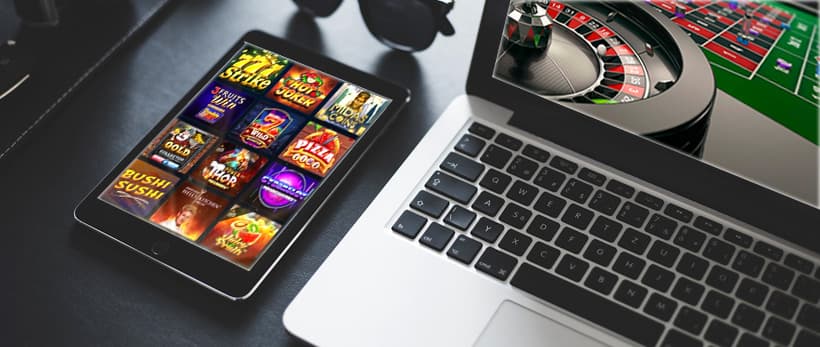
In addition, global digital design communities contribute to cross-platform consistency. Online casinos must function seamlessly across desktop, tablet, and mobile interfaces. Curated design frameworks guarantee adaptability without sacrificing visual coherence.
The Role of Game Developers as Creative Collectives
Beyond the platform interface itself, graphic standards are heavily influenced by game developers. These studios function as creative hubs, each with its own recognizable artistic signature.
Prominent developers often featured in modern casinos include:
- NetEnt
- Pragmatic Play
- Play’n GO
- Microgaming
Each of these companies maintains internal art departments and creative directors who oversee thematic cohesion across slot portfolios. For example:
- NetEnt is known for cinematic lighting and immersive soundscapes.
- Pragmatic Play emphasizes high-contrast visuals and bold character design.
- Play’n GO focuses on narrative-driven slots with dynamic animation.
- Microgaming often experiments with branded franchises and detailed environments.
Through collaboration with online casinos, these studios effectively shape the broader graphic standards of the industry. The result is a layered ecosystem where platform-level curatorship intersects with developer-level artistic direction.
Online Casino Structure and Game Portfolio: The Example of GGbet Casino
A practical example of how curated design and regulatory structure intersect can be seen in GGbet casino, an online platform operating under a Curacao license. Regulatory licensing plays a fundamental role in legitimizing operations and enforcing compliance standards, including responsible gambling measures, anti-money laundering policies, and player data protection.
Within its curated game portfolio, GGbet casino features a range of popular slot titles developed by leading studios. Among the well-known games commonly available are:
- Book of Dead by Play’n GO
- Gates of Olympus by Pragmatic Play
- Starburst by NetEnt
- Mega Moolah by Microgaming
These titles are not randomly assembled; they represent a curated selection of high-performing and visually recognizable slot machines. Each game adheres to strong artistic principles:
- Distinct thematic identity
- Consistent animation quality
- High-definition graphic rendering
- Structured user interface alignment with platform design
The Curacao license provides regulatory oversight, ensuring operational legality and compliance with international standards. At the same time, the presence of globally recognized developers reinforces aesthetic credibility.
Thus, the casino becomes a curated exhibition space—where games function as interactive artworks presented within a cohesive digital gallery.
Media Ecosystems and Cross-Platform Influence
Online casinos do not exist in isolation. Their visual standards are shaped by broader media ecosystems, including film, esports broadcasts, streaming platforms, and social media aesthetics. Artistic associations and media production studios often collaborate across industries, transferring design techniques from cinema and advertising into iGaming.
For example:
- Broadcast-style overlays in live casino games resemble esports tournament graphics.
- 3D rendering techniques mirror those used in animated films.
- Interactive interface elements reflect trends in mobile app design.
This cross-media dialogue fosters a shared visual language. Online casinos increasingly resemble hybrid spaces combining entertainment, technology, and digital art.
Standardization vs. Innovation
While curatorship promotes consistency, innovation remains essential. Artistic associations constantly experiment with:
- Augmented reality casino environments
- AI-generated visual themes
- Immersive 3D slot interfaces
- Personalized UI themes based on player behavior
The tension between standardization and experimentation drives the industry forward. Graphic standards provide stability, while creative exploration ensures novelty.
Conclusion
Curatorship in the media space has become a defining force in the evolution of online casino graphics. Artistic associations, creative studios, and developer collectives collectively shape visual coherence, thematic depth, and user experience design. Platforms such as GGbet casino illustrate how regulatory licensing (through Curacao) and curated game portfolios intersect to produce both operational legitimacy and aesthetic sophistication.
Ultimately, the modern online casino functions as a digital exhibition hall—where design is not incidental but intentionally structured. Graphic standards emerge from collaborative creative ecosystems that blend art, technology, and regulatory compliance. As media convergence accelerates, the role of curatorial thinking will only grow stronger, defining the next generation of immersive and visually compelling iGaming environments.